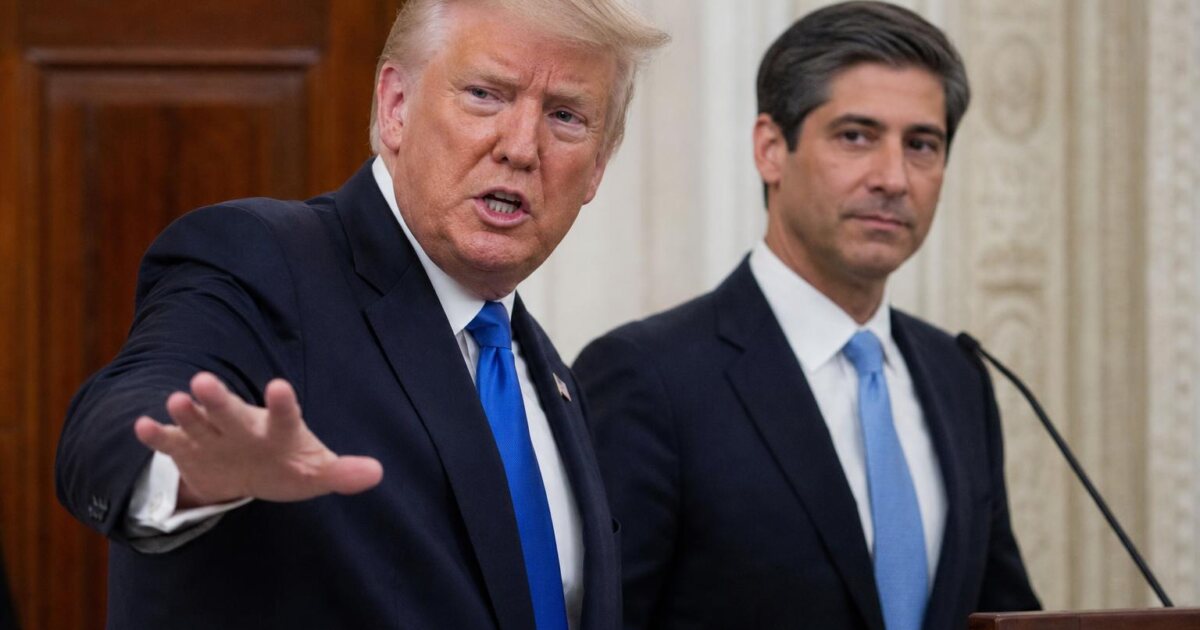
President Donald Trump’s approval rating has reached a second-term low of 37 percent. This decline follows voter disapproval of his decision to engage in military conflict with Iran and rising concerns regarding the economy, as indicated by a recent New York Times/Siena poll conducted from May 11 to May 15.
According to the poll, nearly two-thirds of voters oppose Trump’s decision to go to war with Iran, while only 31 percent approve of his management of the conflict. Additionally, 64 percent of respondents disapprove of Trump’s economic handling, further complicating his standing among voters.
Democratic Party Struggles
At the same time, the Democratic Party faces significant challenges of its own. Only 26 percent of voters report satisfaction with Democratic leadership, which is 11 percentage points lower than Trump’s approval rating. Despite efforts by Democrats to reconnect with voters and address their concerns over the past year, there has been no significant improvement in overall satisfaction with the party.
Special offer for our readers:
Put Interest On Ice into 2027
Currently, 44 percent of Democrats express dissatisfaction with their own party, compared to 23 percent of Republicans who feel the same way. Despite this apparent disconnect, Republicans have a structural advantage going into the midterm elections, as popular sentiment still leans toward Democrats in the generic 2026 midterm ballot, which stands at 50 percent for Democrats versus 39 percent for Republicans. Among independent voters, the Democratic lead expands to 18 points.
Voter Enthusiasm and Engagement
Early indicators suggest that Democratic voter enthusiasm is on the rise, with Democrats being 8 percentage points more likely than Republicans to indicate they will likely vote in the upcoming midterms. This enthusiasm may result from a rejection of Trump rather than a strong alignment with Democratic ideals.
Disapproval of Trump’s performance is widespread across party lines. The poll revealed that 69 percent of independent voters disapprove of Trump’s job performance, an increase from 62 percent in January. Furthermore, 47 percent of independents claim that Trump’s policies have adversely affected them personally, up from 41 percent last fall.
Economic Concerns
On economic issues, Trump faces substantial disapproval. About 64 percent of voters disapprove of his economic management, while only 33 percent approve, reflecting a 31-point gap. The sentiment regarding the cost of living is even more negative, with a 41-point difference in disapproval. Economic perceptions among voters have darkened significantly; nearly half of all voters, 49 percent, now rate the economy as poor, a shift from just 18 percent who view it positively.
Even voters who identify as Republicans report bleak economic conditions, with half describing the economy as either fair or poor. The percentage of voters feeling that the country is on the right track has also declined, plummeting from 37 percent in January to just 32 percent in May. This drop is largely observed among Republican voters, whose confidence in the nation’s direction decreased by 12 points.
Trump’s Approval Across Various Issues
Trump maintains a steady approval rating of 41 percent regarding immigration policies, which is considered one of his stronger issues. In contrast, only 31 percent of voters approve of his handling of the Israeli-Palestinian conflict, while a significant 65 percent disapprove.
Despite Trump’s declining approval ratings, Republicans maintain certain legislative advantages, with potential gains of six to ten seats in the House of Representatives attributed to favorable redistricting in Republican-leaning states.
Poll Findings Reflect Broader Trends
Recent findings from multiple polling agencies show that Trump’s approval ratings have reached historically low levels for his second term. Notably, a survey conducted by the Pew Research Center indicated an approval rating of just 34 percent for Trump during the period of April 20 to April 26, which marked the lowest point of his second term. A Silver Bulletin polling average recorded a net approval rating of -18.9 among registered voters as of May 17, and -20.6 among all U.S. adults, with nearly 48 percent strongly disapproving.
In summary, both President Trump and the Democratic Party are experiencing significant challenges as they approach the midterm elections. Voter opinions on the economy and foreign policy indicate a volatile political landscape.