Consumer prices drop for first time since 2020
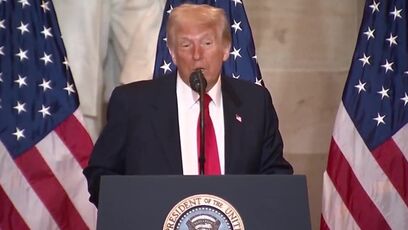
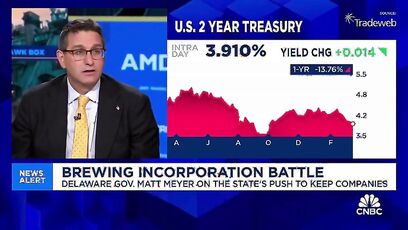
U.S. consumer prices unexpectedly dropped by 0.1%, the first decline since May 2020, driven by lower gasoline and used car prices, despite a forecasted 0.1% rise. The Labor Department reported this amid a 6.3% fall in gasoline prices, overshadowing rises in food (up 0.4%), electricity, and natural gas costs. Over the past year, the CPI rose 2.4%, down from February's 2.8%. However, this dip may not persist as President Trump intensified tariffs on Chinese imports, raising duties to 125% from 104% after China retaliated with an 84% tariff on U.S. goods. This escalation, including a 20% tariff on Chinese products and levies on steel and aluminum, follows Trump's brief 90-day pause on tariffs against other trade partners, which had initially disrupted markets. Economists, like Christopher Rupkey of FWDBONDS, caution that this inflation relief might be temporary due to the intensified trade war with China, a key source of U.S. consumer goods. The price drop could signal weakening demand amid recession fears linked to these tariffs, prompting speculation that the Federal Reserve might cut interest rates by 100 basis points in 2025. Meanwhile, the EU paused its initial counteractions to U.S. tariffs, though it wasn't addressed in Trump’s recent statement