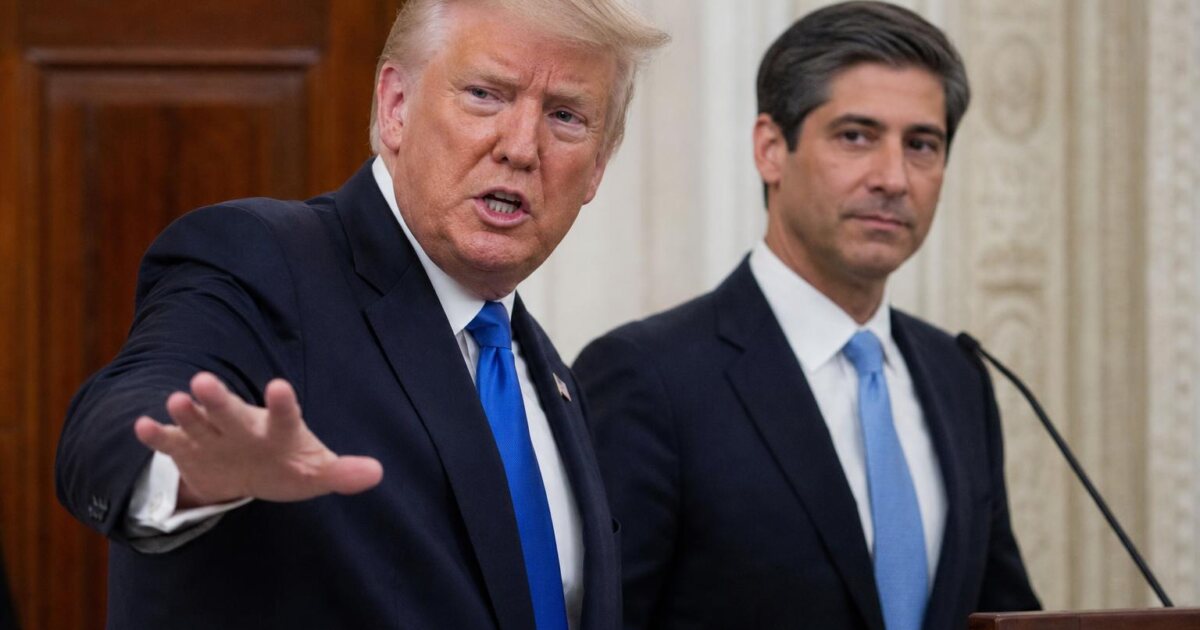
There is growing frustration on the right, and it is no longer being whispered. Republicans who care deeply about the direction of this country are increasingly pointing fingers at their own Senate leadership, and the name at the center of the criticism is Senate Majority Leader John Thune.
The complaint is simple. Conservative voters did not hand Republicans the Senate majority so their leaders could play referee between factions. They won to govern, and to govern boldly.
As originally reported, critics argue Thune has spent too much energy accommodating the anti-Trump wing of his caucus rather than driving a unified Republican agenda forward. The concern is not abstract. There are concrete examples fueling the anger.
Special offer for our readers:
Tackle your credit card debt with 0% intro APR
Take the SAVE Act. The legislation includes voter ID requirements and other election integrity measures that polling consistently shows the vast majority of Americans support, from both parties. Yet progress has stalled. Then there is the issue of recess appointments. Blocking a sitting Republican president from using recess appointments to fill administration vacancies is not moderation. Critics say it is obstruction dressed up as process.
Thune has cultivated an image as a calm, practical South Dakotan, someone steady enough to manage the competing personalities inside the Senate Republican conference. That reputation is now working against him. Leadership is not about managing factions. It is about moving them.
The political landscape is shifting fast. Progressive candidates are not just winning general elections. They are defeating incumbent Democrats who were already considered left-leaning. The energy on that side of the aisle is organized, motivated, and increasingly effective. Republicans watching this from the majority side are alarmed, and they want leadership that matches the urgency of the moment.
Instead, they say they are getting careful navigation and quiet accommodation of members who seem more interested in rebuking Donald Trump than defeating the opposition.
Several of these senators are expected to be gone after January 2027. But that is cold comfort when legislative windows are closing now, and the calendar does not pause for internal caucus politics.
The argument being made by Thune’s critics is not complicated. Republicans need every tool available, every vote aligned, and every leadership decision pointed in the same direction. When the majority leader is seen as softening that effort rather than sharpening it, patience runs out.
Whether Thune can recalibrate and demonstrate the kind of forceful leadership his base is demanding remains to be seen. But the clock is running, the frustration is real, and the voices calling for change are getting louder by the week.