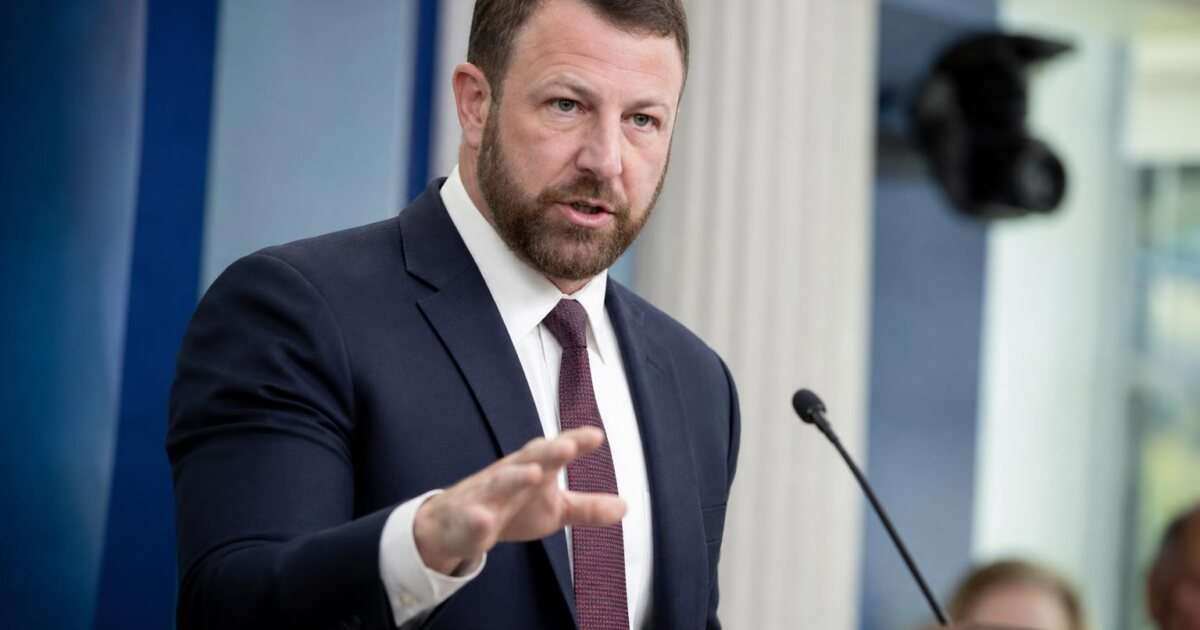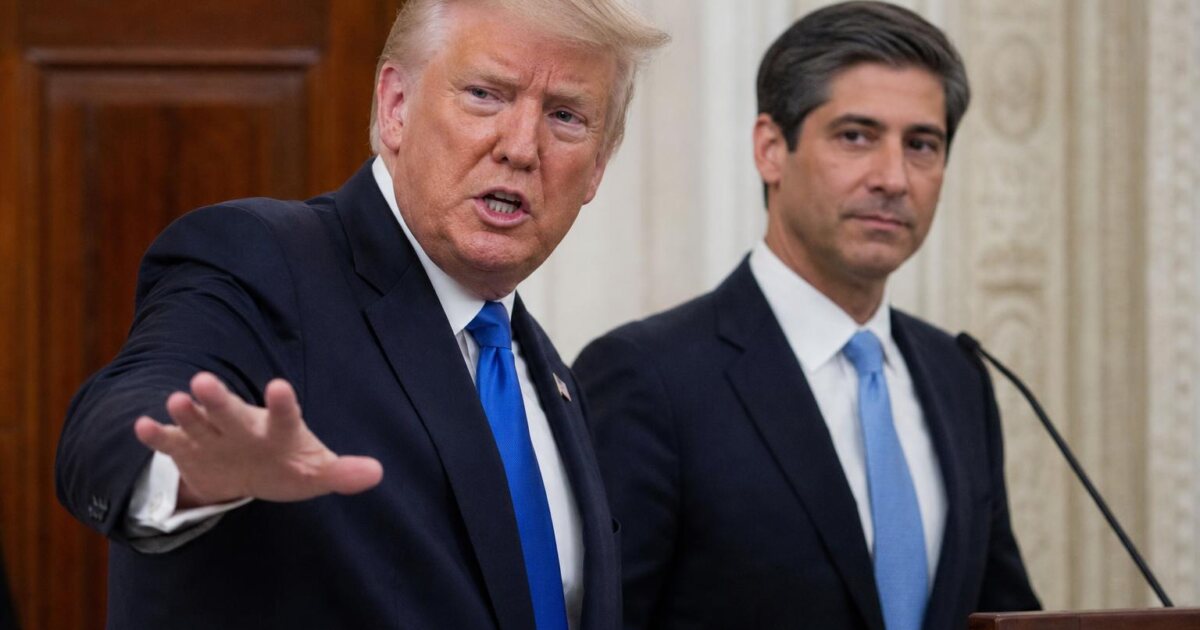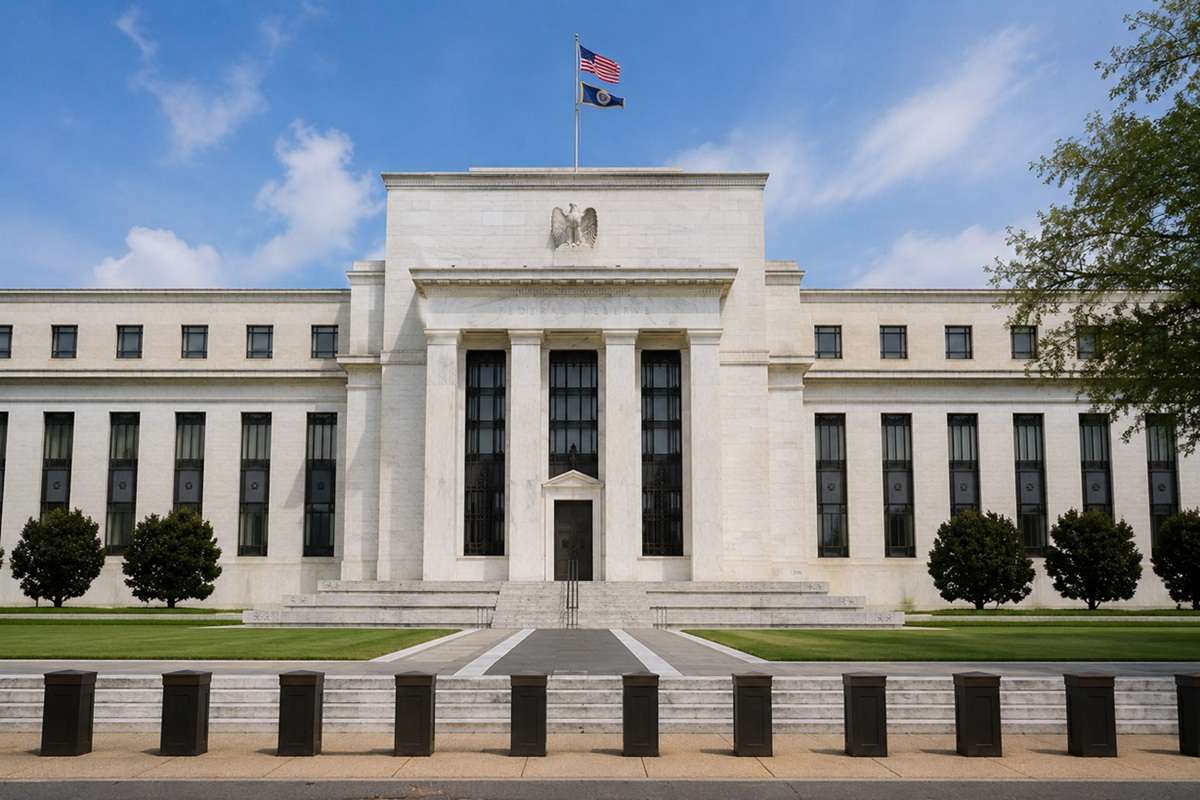
Kevin Warsh has successfully been confirmed by the U.S. Senate as a member of the Federal Reserve Board of Governors, moving him closer to potentially replacing Jerome Powell as the chair of the central bank. The Senate voted 51-45 in favor of Warsh’s appointment on May 12, 2026. This confirmation marks the initial step in a two-step process for his expected elevation to chair.
In the aftermath of the confirmation vote, Senators initiated discussions to limit debate regarding Warsh’s nomination for the chair position, setting the stage for the pivotal vote scheduled for the following day. This vote comes just two days before Powell’s term as chair expires.
Warsh’s Appointment and Background
Warsh’s confirmation to the Federal Reserve Board grants him a 14-year term, taking over the position previously held by Stephen Miran. Miran was appointed to fill the remaining term of Adriana Kugler, who left the Fed last August amid an ethics investigation. Warsh’s seat represents the only forthcoming vacancy on the board during the remainder of President Trump’s tenure.
Special offer for our readers:
Tackle your credit card debt with 0% intro APR
Despite doubts regarding his confirmation due to political dynamics, the path for Warsh became clearer when the U.S. Attorney for the District of Columbia, Jeanine Pirro, concluded an investigation into Powell related to testimony given to Congress about renovation costs at the Fed’s headquarters. This inquiry had been a concern blocking Warsh’s nomination, but it was resolved when Pirro referred the matter to the Fed’s inspector general.
Challenges and Concerns Surrounding Confirmation
Warsh’s confirmation journey has been fraught with complications. Republican Senator Thom Tillis had previously stalled his nomination pending the conclusion of the investigation into Powell. As the situation unfolded, Warsh’s confirmation became a topic of heated debate, reflecting broader apprehensions regarding the independence of the Federal Reserve.
President Trump had publicly criticized Powell for not lowering interest rates sufficiently, creating an atmosphere of uncertainty regarding Warsh’s expected monetary policy direction. During his confirmation hearing, Warsh explicitly stated that President Trump did not request any commitments regarding future interest rate decisions. Emphasizing central bank independence, Warsh added that the president expressing his views on monetary policy does not inherently undermine this independence.
Warsh’s Views on Monetary Policy
During his Senate testimony, Warsh critiqued both past and current decisions made by the Federal Reserve. He pointed out that the U.S. economy is still grappling with inflationary pressures exacerbated by the COVID-19 pandemic and highlighted what he perceived as policy mistakes in 2021 and 2022. Warsh called for significant changes within the Fed, advocating for a reduction in the central bank’s balance sheet and a reassessment of its inflation targeting framework.
Moreover, Warsh suggested that the Federal Reserve could benefit from reducing communication around policy decisions, discontinuing the practice of forward guidance, and rethinking how often officials hold press conferences following policy meetings. This approach diverges from the practices established under Powell’s leadership.
Experience and Qualifications
Kevin Warsh possesses a wealth of experience in economic policy. He served as a Fed governor from 2006 to 2011 after being appointed by former President George W. Bush. Warsh played a key role during the 2008 financial crisis as the liaison to Wall Street under then-Fed Chair Ben Bernanke.
In addition to his experience at the Federal Reserve, Warsh’s qualifications include previous roles as a special assistant to President Bush for economic policy and as an executive secretary at the National Economic Council. His academic background includes degrees in public policy from Stanford University and a law degree from Harvard University.
This confirmation of Kevin Warsh to the Federal Reserve Board represents a significant shift in leadership and strategic direction for the central bank as it navigates complex economic challenges.