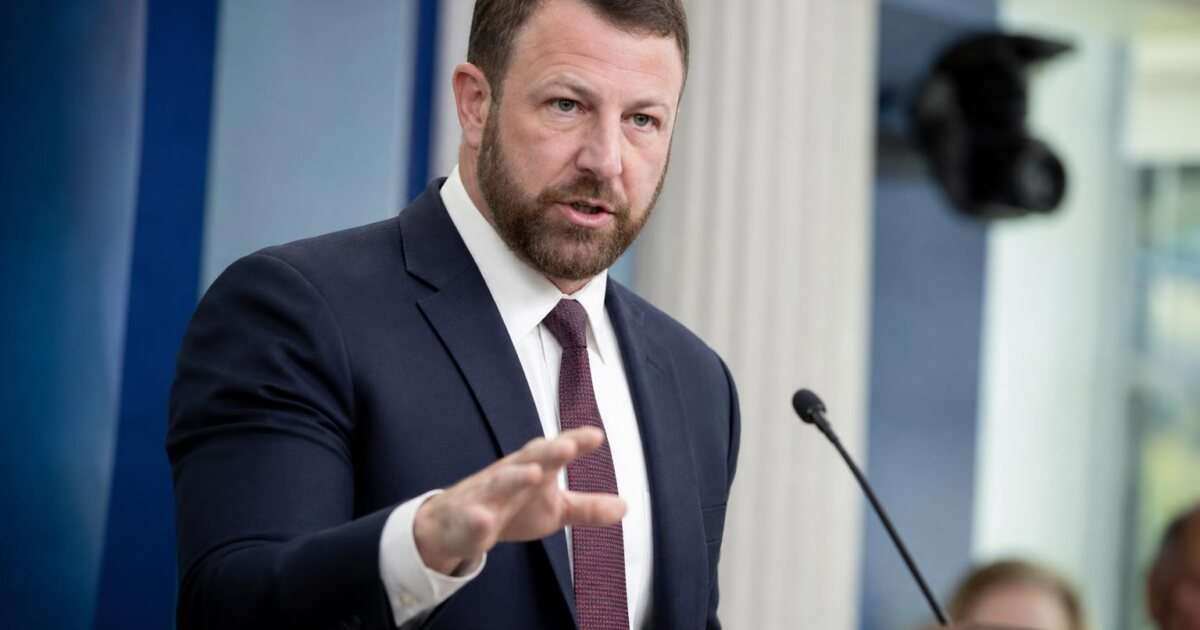
The Justice Department has issued subpoenas to four New York Times journalists, ordering them to testify before a federal grand jury in Manhattan on July 16, 2026.
The four reporters named are Julian E. Barnes, Eric Lipton, Tyler Pager, and Eric Schmitt. The subpoenas instruct them to appear “in regard to an alleged violation of federal criminal law.” In several cases, federal agents hand-delivered the documents directly to the journalists’ homes.
The move stems from two articles the reporters published relating to Air Force One and its security capabilities.
Special offer for our readers:
Put Interest On Ice With These Top Credit Cards
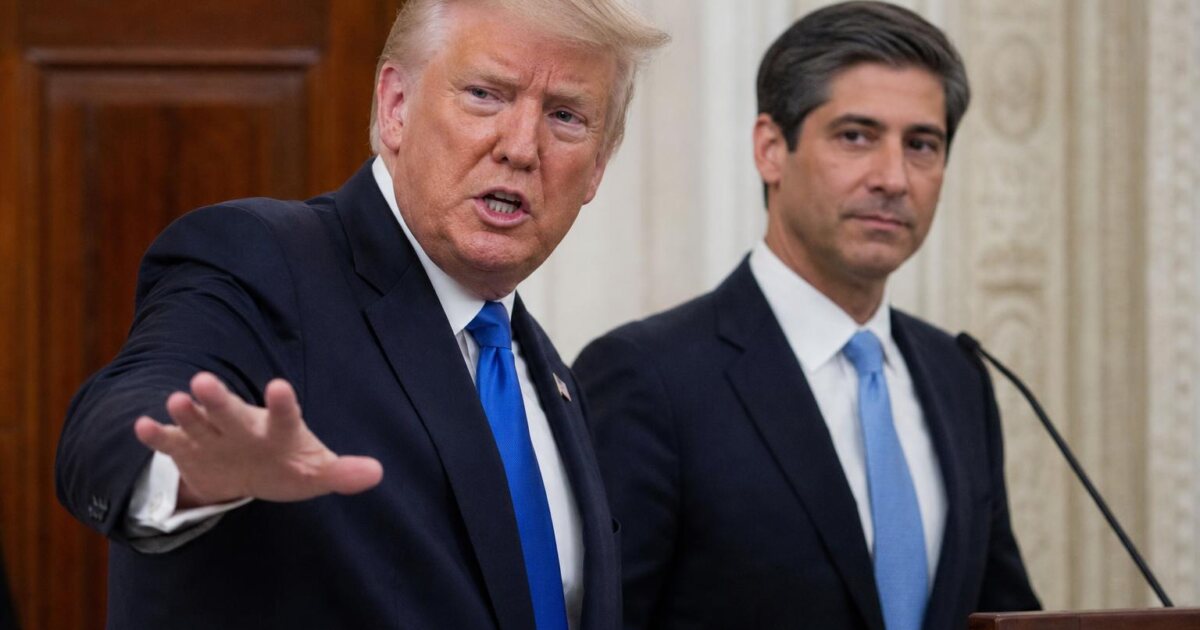
According to a report, the first article, published July 8, described a security concern that caused President Trump to depart a NATO summit in Turkey on an older Air Force One aircraft instead of the newer plane. The second, published the following day, revealed that the newer aircraft, a Boeing 747-8 gifted by Qatar, lacked certain advanced security features found on the older model, including antimissile countermeasures. Both articles drew on anonymous sources with knowledge of sensitive security matters.
Before the July 8 story ran, a senior FBI official reached out to a reporter and a senior editor at the Times. The official asked the paper to hold the story on national security grounds and requested that sources be identified. The Times refused.
The subpoenas were issued by Jay Clayton, the U.S. Attorney for the Southern District of New York. Clayton has since been nominated by President Trump to serve as director of national intelligence. Beyond directing the reporters to testify about a possible federal criminal violation, the subpoenas offered few additional details.
The Times responded forcefully through its top newsroom lawyer, David McCraw. “The appearance of federal law enforcement agents on the doorstep of news reporters should shock the conscience of any American who believes in the Constitution and the press freedom it protects,” McCraw said.
He went further, framing the subpoenas as an effort to silence the press. “Our journalists report the facts and advance the American public’s right to know how their government is operating and their taxpayer dollars are being used. This brazen act should be seen as nothing more than an attempt to prevent the public from knowing what is happening in their country by intimidating journalists from doing their jobs.”
The case raises significant questions about press freedom and the use of grand jury subpoenas to compel journalists to reveal their sources, a practice with a long and contested history in American law.