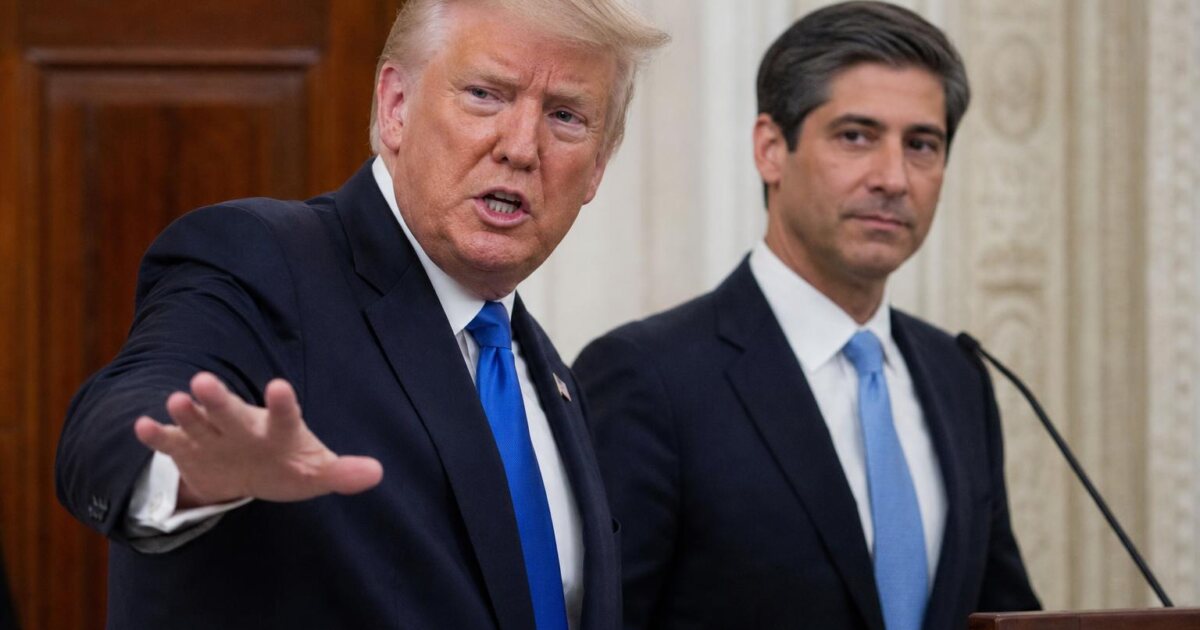
Donald Trump burned enormous political capital getting his Supreme Court picks confirmed. The battles were brutal, the stakes were high, and the opposition was relentless. So when those justices start siding with the liberal wing of the court on election integrity issues, it stings.
That’s exactly what happened in the recent case Watson v. Republican National Committee. Justice Amy Coney Barrett authored an opinion, joined by Chief Justice John Roberts and the court’s three liberal justices, upholding a Mississippi law that allows mail-in ballots to be received and counted up to five days after Election Day, as long as they carry a pre-election postmark.
Justice Samuel Alito was not having it.
Special offer for our readers:
Tackle your credit card debt with 0% intro APR
As originally reported, Alito fired back with a scathing dissent that went straight at the constitutional heart of the matter.
From this Nation’s founding until the last few decades of the 20th century, a period that spans the enactment of all three election-day statutes, having an ‘election’ on a particular day meant completing ballot collection on that day,” Alito wrote.
His argument is straightforward and rooted in history. Election Day has meant exactly that, one day, since it was established in the mid-1800s. Allowing ballots to trickle in for days afterward, Alito contends, effectively stretches the election beyond the deadline Congress intended.
He didn’t stop there. Alito warned that the majority’s ruling doesn’t just bend the rules. It breaks down safeguards against fraud.
“It is undeniable that a prohibition on counting late-arriving ballots would provide an additional hurdle for bad actors seeking to stuff ballot boxes when early election results suggest a tight race. The majority incorrectly removes this safeguard from federal law,” he wrote.
The dissent also took direct aim at the practical fallout of the decision. Alito argued the ruling leaves a trail of unanswered questions for state election officials and courts, while simultaneously eroding public trust in elections.
“Not only is today’s decision inconsistent with statutory text, legal context, historical practice, and precedent; it also threatens to produce lamentable consequences,” he wrote. “The majority’s holding spawns a slurry of troubling election-law questions and risks further undermining Americans’ confidence in election integrity.”
He closed with a pointed summary: “Today’s decision is inconsistent with the terms of the election-day statutes, contemporary election-law principles, two centuries of historical practice, and the case law on the question presented. It opens up and fails to resolve a host of questions for state election officials and courts. And it creates a serious risk of further undermining public confidence in our elections and our system of self-government. I therefore respectfully dissent.”
Barrett’s confirmation fight was one of the most contentious in recent memory. Kavanaugh’s was even uglier. Trump invested enormous political and personal effort to place both on the court. When they side with the liberal bloc on an issue as fundamental as when votes must be received, the frustration among conservatives is entirely understandable.
Alito remains one of the court’s most consistent constitutional voices. His dissent here will resonate well beyond this single ruling.