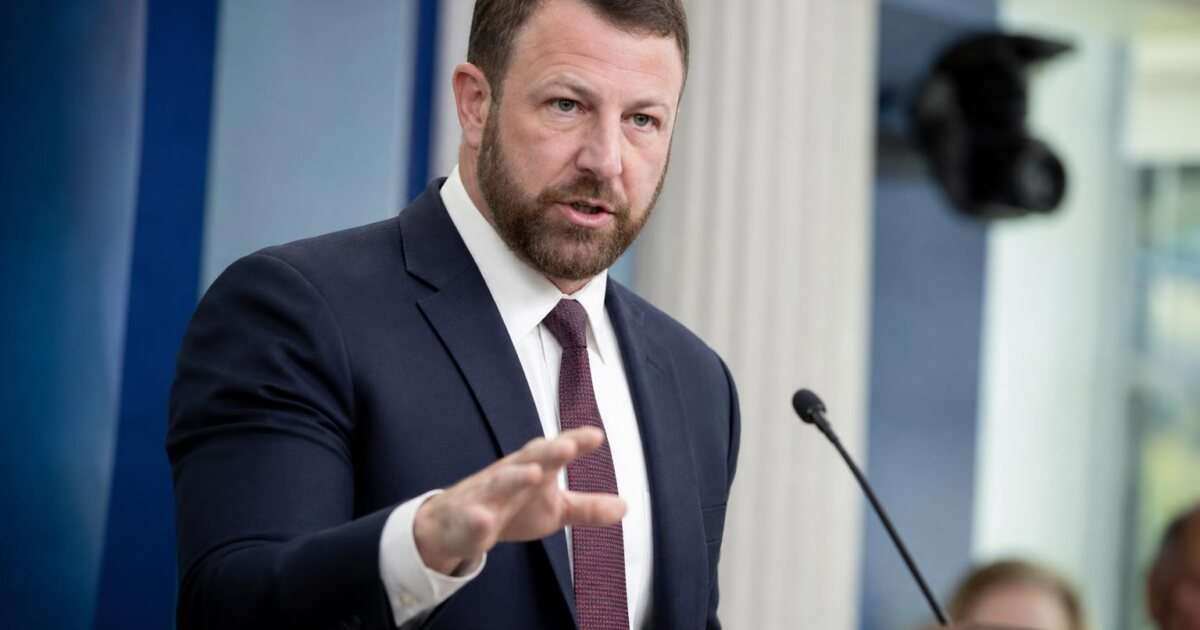
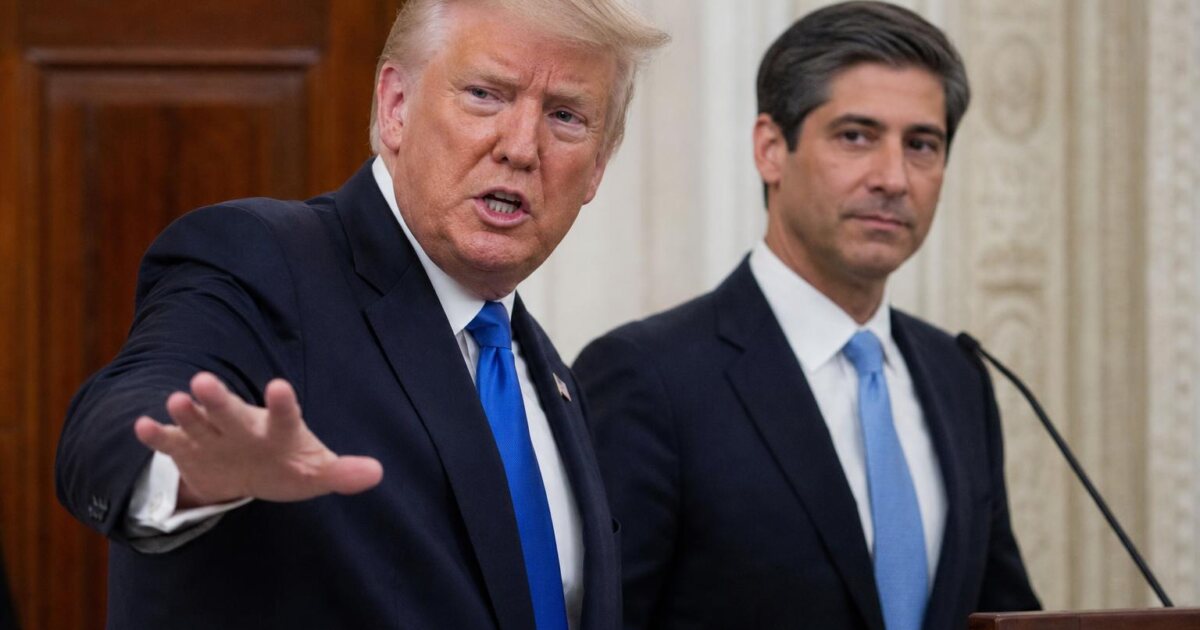
Senate Majority Leader John Thune is currently navigating a complex political landscape as legal issues surrounding President Donald Trump’s controversial “Anti-Weaponization Fund” escalate, generating increasing frustration within the Republican Party.
On Monday, Thune opted not to declare victory after the Justice Department announced that it would adhere to a federal judge’s ruling blocking payouts from the fund until at least June 12. This pause follows a recent court ruling that renewed Trump’s lawsuit against the IRS concerning the leak of his tax returns.
Thune indicated that Republican members are not ready to move past the issue. He stated, “The way the statement is worded, I think it’s clear that they’re not proceeding with the fund, but obviously whether that’s sufficient to satisfy a number of our members is something we’re still sorting through.” This comment reflects the ongoing discontent among GOP members regarding the fund’s status.
Special offer for our readers:
Stop Throwing Out Money: Pay No Interest Until 2027
When asked about the possibility that Trump might veto a broader funding bill if lawmakers were to outright ban the fund, Thune responded with a succinct remark: “Oh yeah, don’t you?” This response sparked accusations from some quarters that Thune was mocking Trump at a crucial moment for Republicans. The party is grappling with the challenge of unifying its members while negotiating with Democrats on a significant $70 billion immigration enforcement funding package.
The Struggle for Party Unity
The dilemma facing GOP leaders is straightforward. Democrats may attempt to compel amendment votes banning the fund, putting Republicans in a precarious position where they must choose between supporting Trump and steering clear of a potentially disruptive conflict ahead of the midterm elections.
Even among Trump’s staunch supporters in the Senate, discontent is palpable. Senate Judiciary Committee Chairman Chuck Grassley emphasized that Trump needs to take a more decisive stance, urging him to clearly state that there will not be a weaponization fund. Additionally, Louisiana Senator John Kennedy, another ally of Trump, expressed frustration with the ongoing funding debate, likening the reconciliation bill to a “broken arm with the bones sticking out” while also downplaying the significance of the Justice Department’s commitment to follow the court’s ruling.
U.S. District Judge Leonie Brinkema has prohibited the administration from any further actions concerning the fund before a June 12 hearing. In response to this, the Justice Department acknowledged its disagreement with Brinkema’s decision, stating that it would comply with the ruling. Despite this, the department maintains that the fund was established to rectify the injustices faced by numerous individuals.
Future of the Anti-Weaponization Fund
Reports suggest that the Trump administration may abandon the fund, with a source indicating it is “dead for now.” Nevertheless, eliminating the fund may not resolve concerns about the settlement it provided. Critics contend that the arrangement offered immunity from future IRS audits for Trump, his sons, and their businesses, and it remains uncertain whether nullifying the fund would revoke that protection.
The creation of the $1.776 billion fund was part of a settlement connected to Trump’s civil lawsuit against the IRS, initiated after the leak of his tax returns. While the administration has described the fund as compensation for those affected by governmental “weaponization” and “lawfare”—terms frequently utilized by Trump to characterize alleged political targeting against conservatives—the fund has faced substantial opposition. Critics argue it lacks a strong legal foundation, insufficient oversight, and could disproportionately benefit Trump allies, including individuals linked to the January 6, 2021, Capitol riots.
Brinkema’s ruling stemmed from a lawsuit alleging that the fund represented a “collusive agreement” without any congressional authorization, legal justification, or accountability. Additionally, various lawsuits initiated by law enforcement officers and government watchdog groups aim to challenge and ultimately dismantle the fund.
As it stands, John Thune is tasked with mitigating the fallout from a divided party. Democrats view the situation as an opportunity, while conservatives demand a clearer stance from Trump. Thune, accused by some of deriding the president through his quick remarks, strives to prevent the funding conflict from intensifying within his party.