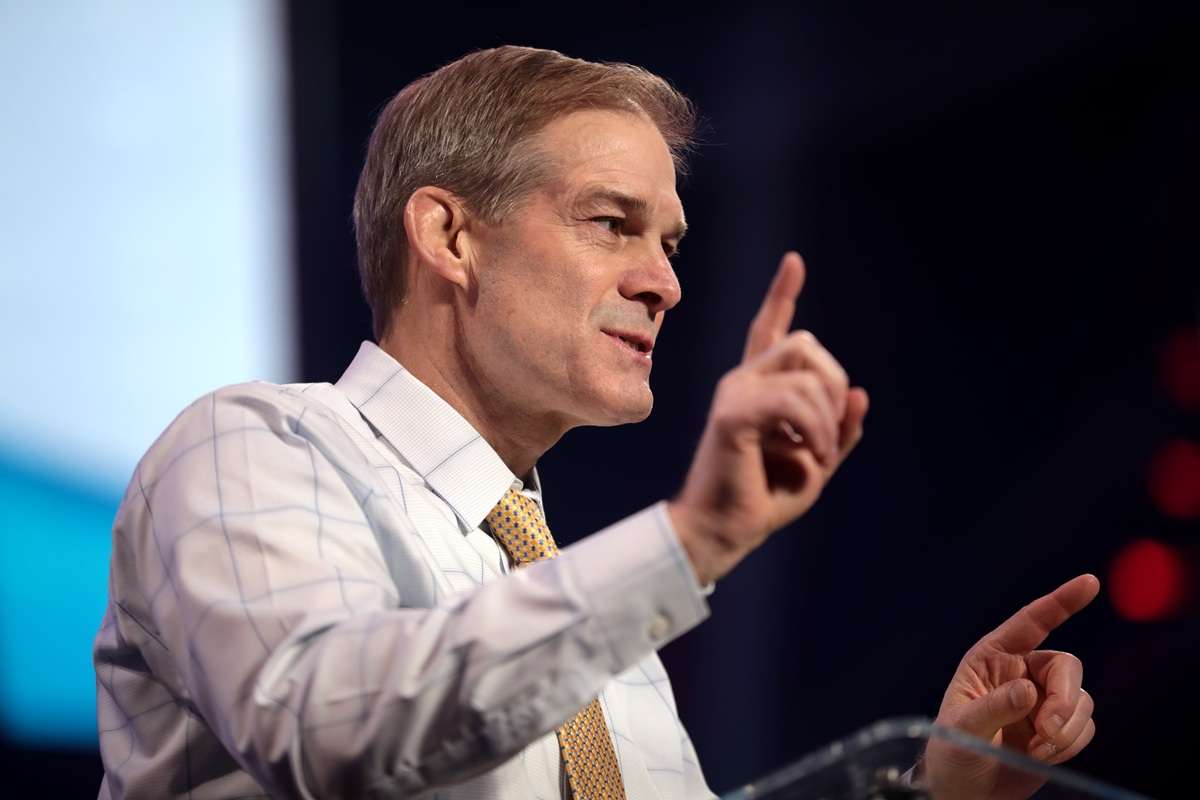
In a recent hearing, House Judiciary Committee member Jim Jordan (R-Ohio) revealed that the Department of Justice (DOJ) under President Joe Biden had opened an investigation into the Southern Poverty Law Center (SPLC), a left-leaning legal group often criticized for its practices. However, the case was subsequently dropped, raising questions about the motivations behind this decision.
Allegations Against the SPLC
According to Jordan, the DOJ had initially discovered that the SPLC was involved in what he described as a lucrative scam. The committee member indicated that, at the direction of then-Attorney General Merrick Garland, the investigation was abandoned, despite evidence of potential wrongdoing.
Jordan claimed that the SPLC had developed a significant relationship with the DOJ, which included training prosecutors and serving as an essential resource for initiatives that labeled pro-life Catholics and other conservatives as domestic extremists. This relationship, he argued, created a conflict of interest, preventing effective prosecution against the SPLC.
Special offer for our readers:
Pay No Interest Until 2027
Concerns Over the Relationship
During the hearing, Jordan expressed that consulting and collaborating with the SPLC rendered it politically advantageous for the Biden administration. He emphasized that such interactions undermined any potential legal actions against the group. “When you consult with them, train your prosecutors, well, guess what? You’re not gonna prosecute them,” he stated.
Jordan referenced a particular memo from the FBI’s Richmond office that cited the SPLC as a source for identifying pro-life Catholics as extremists. This, he argued, showcased the problematic use of the SPLC in a broader agenda against certain political groups.
Recent Developments Affecting the SPLC
In a potentially significant turn of events, the DOJ recently filed an 11-count federal indictment against the SPLC, bringing various charges, including wire fraud and money laundering. The indictment claims that the organization allegedly diverted over $3 million in donor funds to support extremist activities.
According to Jordan, among the payments made by the SPLC was a notable sum of $270,000 paid to a member involved in planning the controversial 2017 Unite the Right rally in Charlottesville. This individual was accused of coordinating logistics for attendees and disseminating racist content, all of which allegedly occurred under the SPLC’s direction.
Financial Implications for the SPLC
Jordan highlighted the financial growth of the SPLC during this period, noting that the organization’s annual income surged from $51 million to $133 million. He argued that this indicated a troubling shift where the SPLC appeared to profit from creating hate rather than combating it. “Turned out for them, creating hate was more profitable than fighting it,” Jordan remarked.
With the Biden administration’s apparent inability to hold the SPLC accountable during its investigation, there is cautious speculation that the forthcoming DOJ under a potential Trump administration may pursue actions against the SPLC. Jordan hinted at this shift, suggesting that the SPLC may face consequences in the future.
The developments surrounding the SPLC and the DOJ’s handling of the investigation raise ongoing concerns about political biases within federal agencies. As investigations evolve, the scrutiny on groups like the SPLC may intensify, fueling further debate regarding their impact on public policy and political discourse.
As these events unfold, many observers will be watching closely to assess how legal actions against politically charged entities will impact future governance and policy-making in the United States.