Identification of Victims
A recent investigation has identified 13 men killed in US military strikes on boats in the Caribbean and the eastern Pacific. This investigation, spanning five months, is part of a broader examination that has uncovered nearly 200 fatalities related to these strikes. Most of the victims hailed from impoverished communities across Latin America and the Caribbean.
US Military Strikes Context
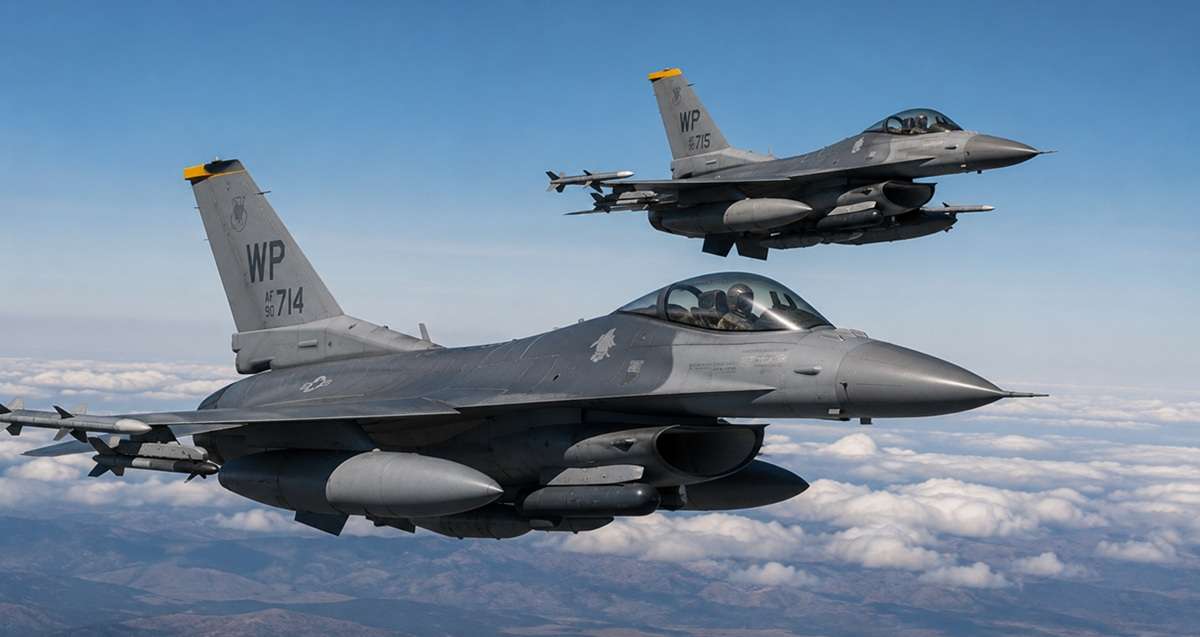
The airstrikes, which are justified by the US as targeting “narco-terrorists” involved in drug trafficking, have sparked intense scrutiny. The majority of the identified victims showed little to no indication of involvement in narcotics trade. A report from the Latin American Center for Investigative Journalism (CLIP) emphasized that many of those targeted were individuals trying to support their families under dire economic circumstances.
María Teresa Ronderos, the director of CLIP, highlighted that the strikes have not dismantled major drug trafficking organizations but have instead exacerbated existing community issues in regions already suffering from poverty and violence. Many affected areas reported that fishing activities were halted due to fears of being bombed, resulting in widespread hunger.
Special offer for our readers:
Hands Down Some Of The Best Credit Cards For Balance Transfers
Details on the Victims
The identified victims include individuals from various countries. Among the list are eight Venezuelans, three Colombians, two Ecuadorians, and two Trinidadians. Notably, many of these men were engaged in day-to-day labor, and their families insist they had no connections to drug trafficking. The report notes that in certain cases, even those with prior links to drug transportation were primarily motivated by economic survival.
The strike on October 3 that killed Juan Carlos Fuentes and Luis Ramón Amundarain was particularly noteworthy. Both men had crossed into Trinidad and Tobago, seeking work, and were reportedly unaware of the violent circumstances surrounding their employment. Their widows described them as victims of circumstance rather than intentional criminals.
Concerns Over US Policy
Despite the claims of US authorities, they have not provided concrete evidence tying any of the 194 victims to drug trafficking activities in the past eight months since the strikes began. A spokesperson for US Southern Command reiterated that their operations were “deliberate, lawful, and precise,” but critics question the justification for these actions.
Experts and activists have condemned the attacks as extrajudicial killings, raising ethical concerns about the military’s approach to combating drug trafficking. Brian Finucane, a senior adviser at the International Crisis Group, characterized the strikes as actions aimed more at projecting military strength than effectively addressing drug trade concerns.
Community Impact
The toll of these strikes extends beyond the immediate loss of life. Many families have been left without their primary breadwinners, exacerbating poverty in communities already vulnerable due to economic instability. Children and dependents are particularly affected, facing significant hardships as a result of the deaths of men who were merely attempting to fulfill basic familial responsibilities.
The investigation into the identities of those killed by US military strikes serves as a poignant reminder of the human toll associated with such military operations. By revealing the faces and stories behind these statistics, the report emphasizes the urgent need for ethical considerations in international military actions and a reevaluation of policies that consider the socioeconomic realities of affected populations.