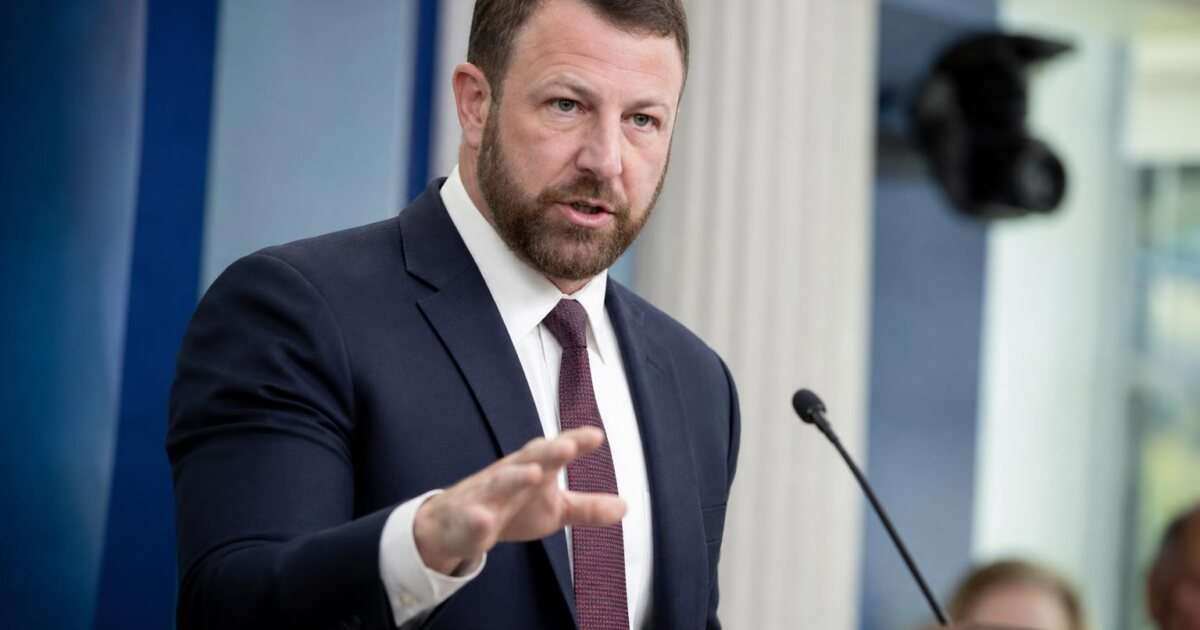
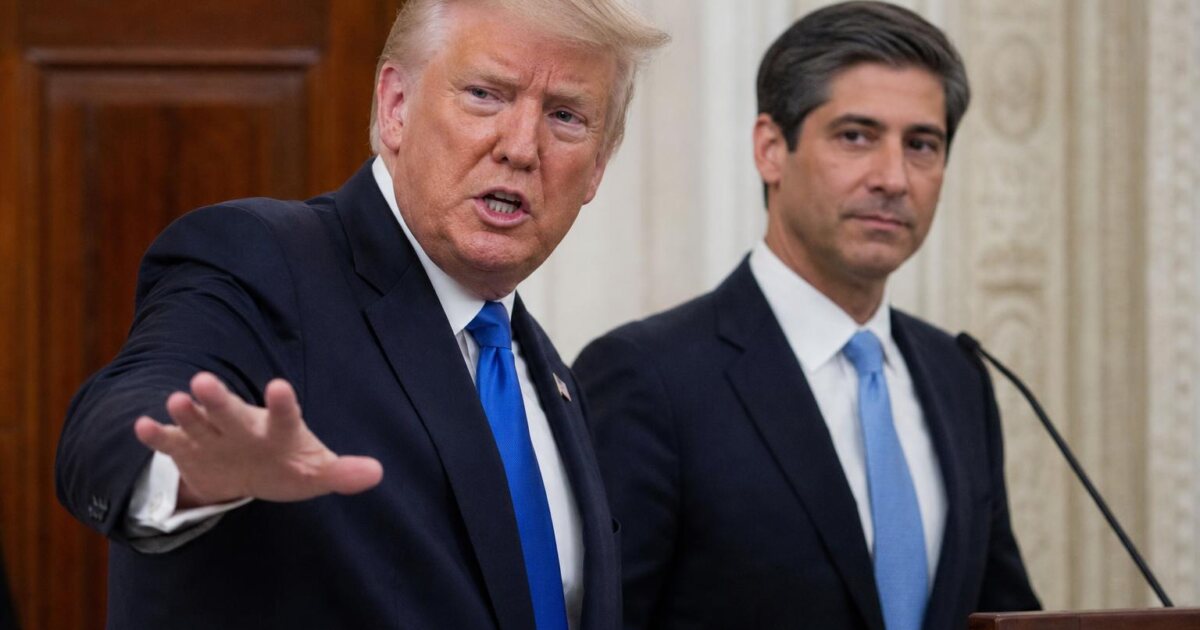
A live television debate about a New York City mayor’s thermostat recommendation turned into a moment of on-air embarrassment this week, after a conservative guest called out the CNN studio’s own climate-controlled comfort while the host was busy defending the policy.
New York City Mayor Zohran Mamdani kicked things off on July 1, 2026, asking all New Yorkers to set their thermostats to 78 degrees. The request was framed as a way to ease strain on the city’s energy grid during a brutal heatwave that has pushed temperatures into triple digits across the Midwest and East Coast.
Mamdani’s full statement painted a picture of community responsibility. “The best protection against extreme heat is air conditioning,” he said, urging residents without it to find cool spaces and check on elderly neighbors. He specifically called on business owners to cooperate with the 78-degree target.
Special offer for our readers:
Pay No Interest Until 2027
As originally reported, Gracie Mansion, where Mamdani now lives, is fully air-conditioned, raising immediate questions about whether those in power were following the same guidance being handed down to ordinary residents and business owners.
CNN host Abby Phillip found herself in the middle of that exact contradiction during a segment on her program. Conservative guest Ben Ferguson asked her directly whether she had turned her own home’s thermostat up to 78 degrees in solidarity with the mayor’s request. That question lit the fuse.
The exchange grew loud quickly, with crosstalk and interruptions making for chaotic television. But the sharpest moment came when Ferguson pointed out the obvious elephant in the room, or rather, the chilly air blowing through it.
“By the way, just to be clear, it’s NOT 78 degrees in here right now! No one’s gonna buy this, it’s absurd!” Ferguson said. He pressed further, asking Phillip directly whether she had cranked her thermostat up when she heard the mayor’s comments. Phillip’s response was to deflect. “But Ben, this is a weird hill to die on. You can let this one go.”
Ferguson wasn’t letting go. “Or we can turn it up to 78 right now in solidarity, we stand with Mamdani!” Phillip shot back, “You don’t have to jump off the partisan cliff.” Ferguson fired back once more, “It’s not 78 in here!”
The broader debate touches on a real tension. There is a legitimate case for asking residents and businesses to conserve energy during extreme heat events to prevent grid failures and blackouts. The friction comes when government officials and institutions appear exempt from the very directives they issue to everyone else.
One observer commenting online added a data point worth considering, citing a 2006 Lawrence Berkeley National Laboratory meta-analysis finding that productivity peaks around 72 degrees Fahrenheit and drops roughly 2 percent for every degree above 77. At 78 degrees, the efficiency argument for the policy starts to fall apart on its own terms.