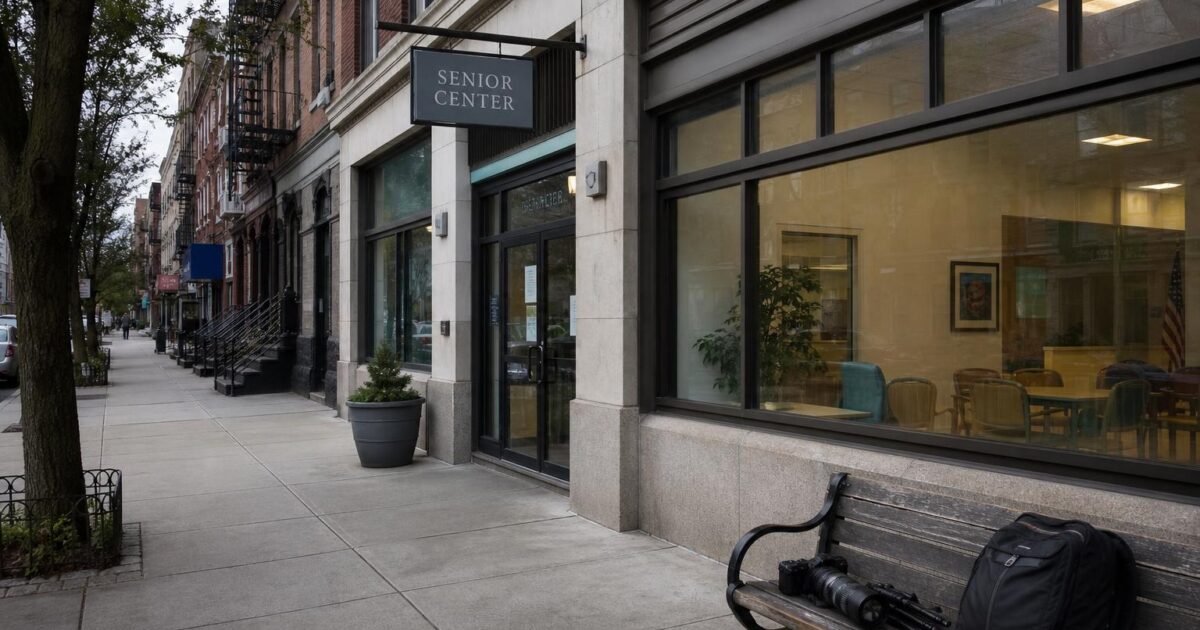
Nick Shirley walked into senior centers in New York City’s Flushing neighborhood carrying a camera and a laptop loaded with publicly available government billing data. What he found in 53 minutes of footage may represent one of the largest active Medicare fraud operations in the country.
One center alone was billing for nearly 8,000 patients. An employee confronted on camera couldn’t deny it. He simply asked Shirley to leave.
The total figure: $190 million. Allegedly drained from a program that elderly Americans depend on to survive, in a city now led by Mayor Zohran Mamdani.
Special offer for our readers:
Put Interest On Ice into 2027
According to a detailed report on the investigation, the scheme is straightforward once you understand how it works. Adult day care centers enroll elderly patients, in this case predominantly Korean and Chinese seniors, and bill Medicare and Medicaid at rates reaching up to $1,600 per patient per visit. These centers are supposed to provide legitimate medical and social services. What Shirley’s footage suggests instead are facilities that could not plausibly have served the volume of patients appearing in their own billing records.
Shirley’s public summary was blunt: “No one knows who the owner is. Everyone hired in the past month. Impossible to bill for 8,000 patients. 100% fraud.”
The reaction from prominent commentators was immediate. James O’Keefe called it “legendary reporting.” Kevin Corke, a Fox News White House correspondent, said it represents the “tip of the iceberg.” That assessment is hard to dismiss. New York City’s adult day care industry has drawn fraud scrutiny for years, and federal prosecutors have previously brought cases against operators in this space. Yet the billing data Shirley used is entirely public, accessible to any journalist with a laptop and a few spare hours.
Major media outlets had the same access. None of them published anything first.
That gap is hard to explain away. The standard defense, that government fraud is too complex, too nuanced, too difficult to verify quickly, looks hollow when a single independent journalist with a camera gets an on-the-record non-denial from a facility employee and posts 53 unedited minutes of footage for anyone to review.
This is not an isolated pattern. The Trump administration’s DOGE initiative and the USDA’s fraud crackdown have consistently found the same thing wherever they dig: money flowing out of federal programs with minimal verification, minimal oversight, and minimal consequences for those collecting the checks. Minnesota, California, Washington state, and now New York. Different programs, different demographics, the same basic structure. Exploit a subsidy system, collect payments, and count on no one looking too closely.
Nick Shirley looked. The footage is publicly available on X, running the full 53 minutes for anyone willing to watch.
The real question now is whether federal prosecutors are paying attention.