Recent developments in California’s election process have drawn significant attention, especially in light of the ongoing scrutiny regarding mail-in voting and election integrity. On June 2, voters participated in the state’s primary elections, but concerns have emerged regarding the counting and verification of ballots.
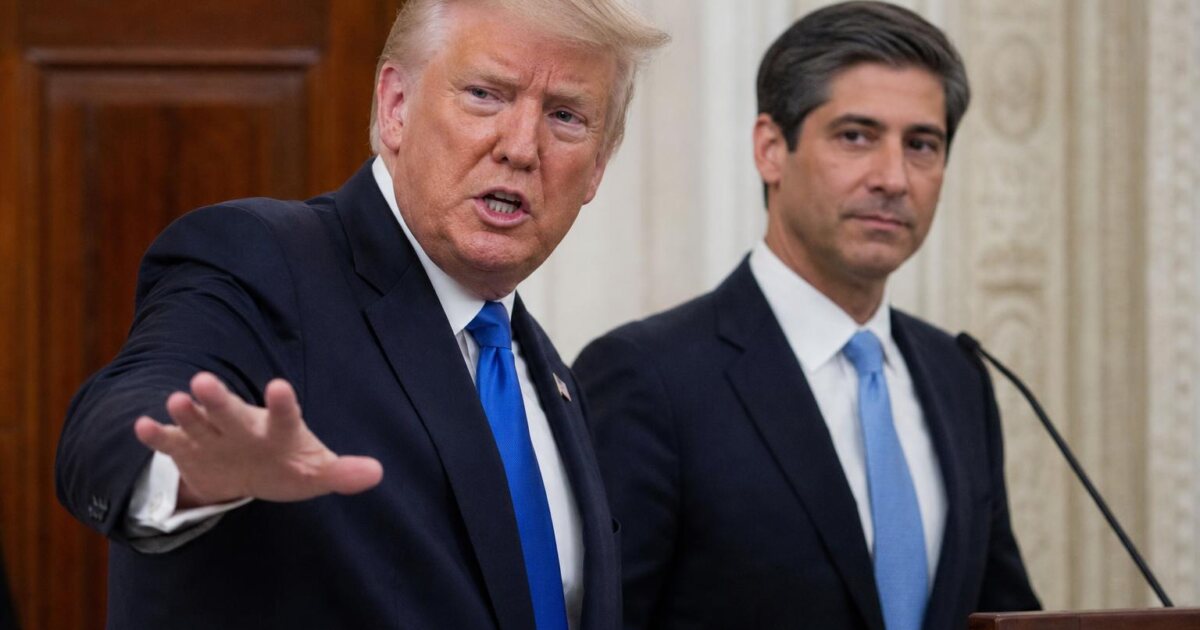
President Donald Trump has raised alarms on social media about the potential for voter fraud in California’s election system. He claims that the state’s practice of mailing ballots to every registered voter might allow for irregularities, particularly since ballots are sent regardless of whether the voters still reside at the registered addresses. This raises questions about the security and accuracy of the vote counting process.
In California, ballots can be mailed until Election Day and accepted for up to seven days afterward if postmarked on or before that day. Critics argue that this lengthy process is susceptible to fraud. Trump’s emphasis on the state’s voting practices has garnered attention, with him stating that the current system is less reliable than those in many other nations.
Special offer for our readers:
8 Top Credit Cards Offering Introductory No Interest into 2027
In response to Trump’s comments, several Democratic officials, including Governor Gavin Newsom and Senator Alex Padilla, have defended California’s election system. They argue that the processes in place are designed to maintain the integrity of the elections, despite the criticisms being voiced by their Republican counterparts.
Adding to the drama, U.S. Attorney Bill Essayli announced that his office has opened multiple investigations into possible election fraud in coordination with the FBI. His statements suggest that the structural vulnerabilities in California’s voting system need urgent attention. He highlighted that universal mail-in voting without stringent identification requirements creates an environment that could potentially allow for undetected fraud.
Essayli has indicated that his office is committed to thoroughly investigating any violations of federal election law. He also mentioned that they are conducting a comprehensive audit of California’s voter rolls. Ensuring that only eligible citizens are registered to vote is at the forefront of their efforts, as prior attempts to verify voter eligibility have faced challenges.
Context of Investigations
Discussion around election integrity is not new, but has intensified recently due to various reports of potential misconduct. For instance, a Marina del Rey woman was charged last month for allegedly paying individuals, including those experiencing homelessness, for voter registrations. This incident highlights concerns about procedural trust and conformity to regulations in California’s election infrastructure.
As the federal investigation unfolds, Assistant U.S. Attorney Robert Renner has also taken steps to observe and question the processes at vote processing centers. His presence at the Los Angeles County facility, where many ballots are still awaiting counting, signifies an active federal interest in ensuring the legitimacy of the electoral process.
Implications for California’s Future Elections
The ongoing scrutiny surrounding California’s election practices underscores a pivotal moment for the state’s democratic processes. Observers from various political backgrounds are focusing their attention on how these investigations will unfold and whether they will lead to changes in the voting system.
Entering into a period of contentious debate about electoral integrity and efficiency, California’s election system faces numerous challenges. As investigations proceed, the ultimate impacts of these findings may resonate far beyond the borders of California, potentially shaping national discussions about voting practices and election security.
In conclusion, as federal authorities examine California’s election procedures, the implications for democratic engagement and public trust in electoral outcomes will remain significant. It is a critical juncture that could influence future elections and public opinion regarding the integrity of the voting system.