The Supreme Court’s birthright citizenship ruling barely had time to settle before the birth tourism industry moved in.
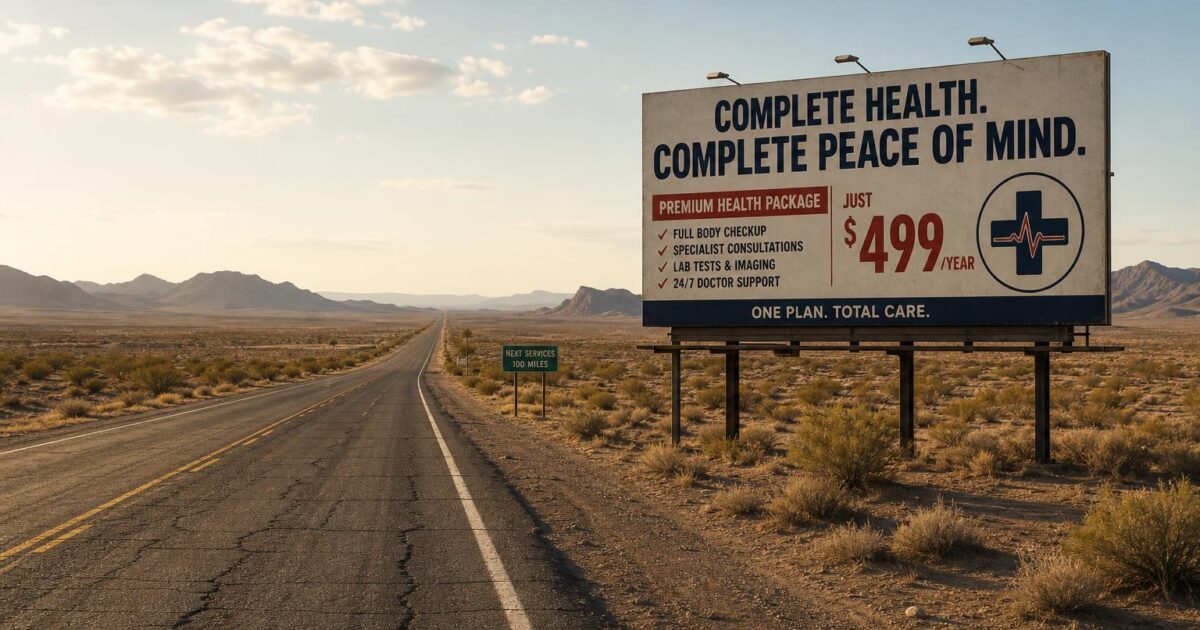
Billboards and signs advertising birth tourism packages, with deliveries starting at $4,000, are already appearing along the southern border and across Mexico. Chinese birth tourism operations are ramping back up. Russian nationals are booking flights. An industry the Trump administration spent years trying to dismantle just received what amounts to a green light to operate openly, brazenly, and at scale.
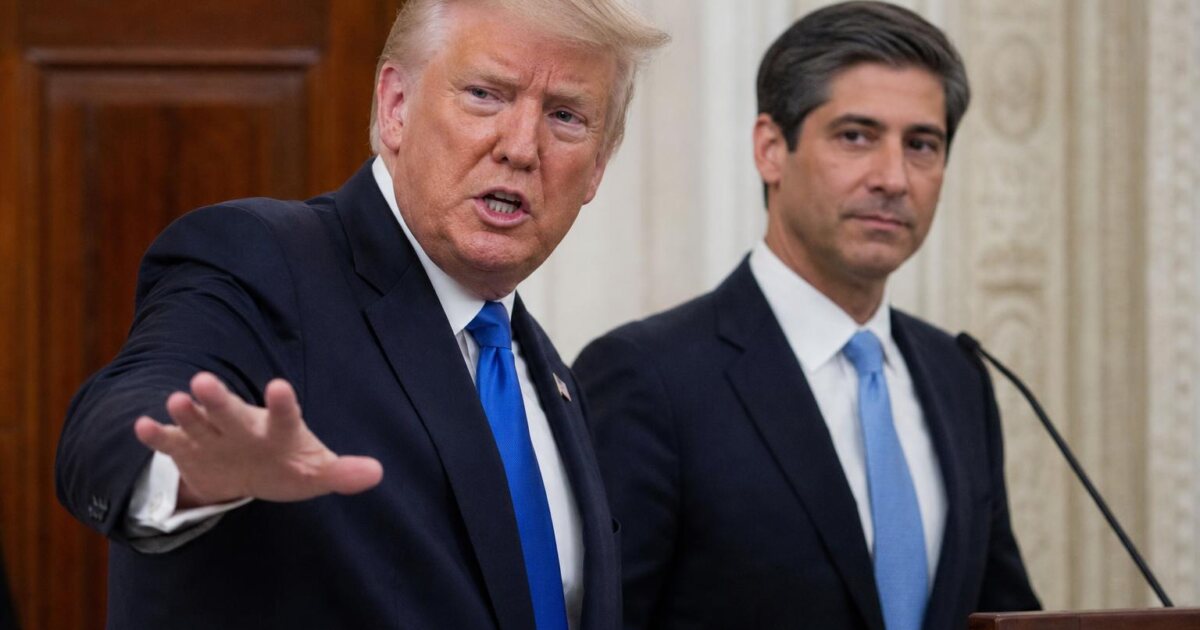
President Trump responded after seeing the billboards, declaring that American citizenship is not for sale, and announced he is asking the Supreme Court to immediately rehear the case.
Special offer for our readers:
Tackle your credit card debt with 0% intro APR
As originally reported, the 6-3 ruling in Trump v. Barbara held that the 14th Amendment protects birthright citizenship for children born on American soil to parents who are in the country illegally or temporarily. Five justices, including two appointed by Republican presidents, determined that the phrase “subject to the jurisdiction thereof” applies to people who entered the country illegally and owe no legal allegiance to it.
Critics argue that interpretation misreads history. The 14th Amendment was ratified in 1868 specifically to guarantee citizenship to freed slaves and their descendants, Americans who had been denied their birthright through deliberate legal construction. It was not drafted to accommodate a $4,000-per-delivery birth tourism market. Justices Clarence Thomas and Samuel Alito both said as much in their dissents.
The consequences are materializing faster than many anticipated.
Trump’s legal options are narrow but not entirely closed. Under Supreme Court Rule 44, a petition for rehearing must be filed within 25 days of judgment and requires demonstrated exceptional circumstances, including significant issues the Court may have overlooked. Critically, at least one justice from the majority must support reconsideration before it can move forward. That is a demanding threshold, and legal observers describe it as a long shot at best.
Still, the administration is not standing still while waiting on the Court.
The Department of Justice has already moved to crack down on birth tourism operations, targeting the criminal enterprises that profit from the practice through every available legal mechanism. If the Supreme Court ruling stands, the strategy appears to be making the underlying business model as difficult and costly to operate as possible.
The billboards, though, are a striking symbol of how quickly legal ambiguity translates into commerce. Within days of a major constitutional ruling, entrepreneurs were already turning it into advertising copy. Whatever the courts ultimately decide, the speed of that response tells you everything about the stakes involved.