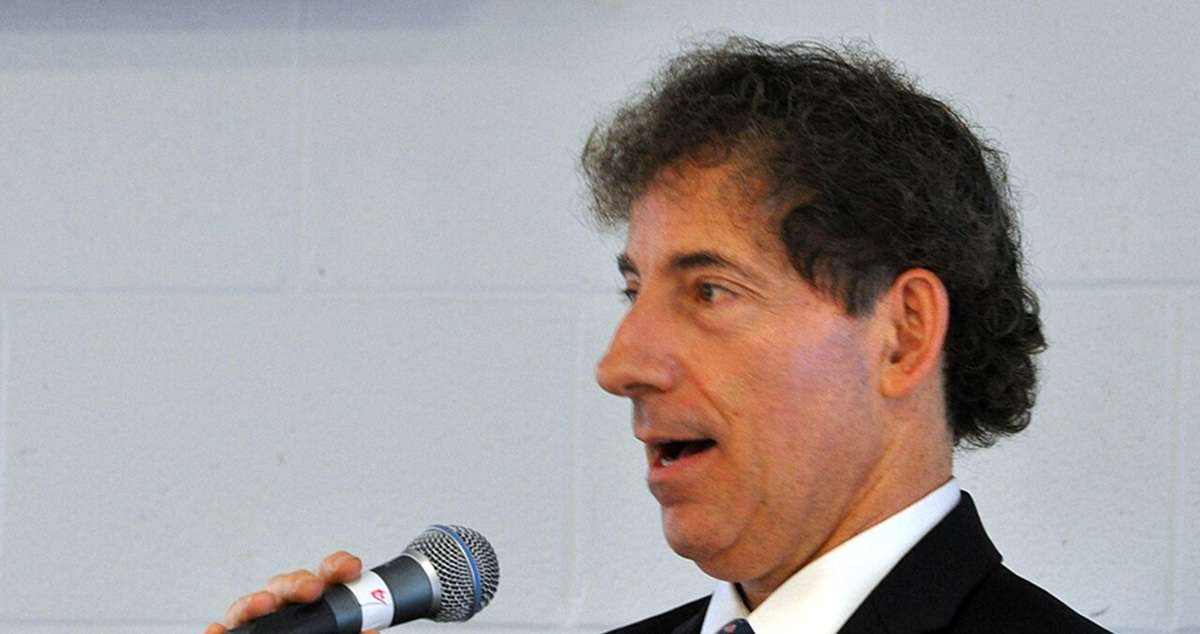
During a recent House hearing, 16-year-old Marco Hunter-Lopez engaged in a thought-provoking exchange with Rep. Jamie Raskin (D-MD) concerning American heritage and constitutional law. The session, titled “Sharia-Free America: Why Political Islam & Sharia Law are Incompatible with the U.S. Constitution: Part II,” aimed to discuss perceived threats posed by Sharia law in the United States. However, it quickly evolved into a heated discussion between the high school sophomore and the seasoned representative.
Hunter-Lopez’s Critique of Educational Censorship
Marco Hunter-Lopez expressed concerns about what he perceives as a double standard within Texas public schools. He argued that conservative students often face censorship and harassment, while Islamic organizations receive institutional support to distribute materials that promote Sharia law, such as pamphlets and Qurans. Hunter-Lopez’s bold stance resonated with many who share similar views on education and the narratives around American heritage.
The Exchange with Rep. Raskin
Rep. Raskin appeared unprepared for Hunter-Lopez’s critiques and adopted a condescending tone in response. He attempted to lecture the student on the nation’s founding documents, misrepresenting Hunter-Lopez’s arguments in an effort to undermine his credibility. During the discussion, Raskin quoted a well-known letter from Thomas Jefferson to illustrate his opposition to the influence of religion in governance, claiming it exemplified the separation of church and state.
Special offer for our readers:
Put Interest On Ice With These Top Credit Cards
However, Hunter-Lopez skillfully countered Raskin’s arguments. When Raskin attempted to claim that Jefferson’s letter represented American law, the young student retorted, “That was a letter, not a law.” This response effectively highlighted the gaps in Raskin’s argument while emphasizing the importance of context in discussions about American history.
Constitutional Debate on Religion
As the discussion ensued, Raskin challenged Hunter-Lopez regarding the Constitution’s stance on religion, igniting a debate over the relevance of the Declaration of Independence. Hunter-Lopez quickly refuted Raskin’s assertions, clarifying that the Declaration was meant to declare independence from tyranny and accentuating the significance of recognizing America’s Christian heritage.
The student’s insistence on acknowledging American heritage emerged as a central theme of the conversation. He stated, “I’m saying members of Congress need to acknowledge American heritage.” In response, Raskin claimed that any heritage, whether Christian, Jewish, or Muslim, could be acknowledged, but insisted that no specific religion should be imposed.
Contrasting Demeanors
The contrast between Hunter-Lopez’s steady demeanor and Raskin’s increasingly agitated responses became evident throughout the interaction. Raskin appeared to filibuster rather than engage in constructive dialogue, frequently interrupting Hunter-Lopez, which ultimately amplified the young student’s arguments.
This encounter served as a stark reminder of the generational divide on matters of heritage and identity in America. As Raskin struggled to maintain control of the discussion, it highlighted a new generation eager to assert their values and identity in an evolving social landscape. Marco Hunter-Lopez’s articulate defense of recognizing a Christian heritage, paired with his respectful challenge to authority, underscores the potential for young voices to shape larger conversations about identity and governance in America.
A Significant Political Moment
This exchange marked a significant moment in American political discourse, revealing tensions between established beliefs and emerging youth perspectives. The event left a lasting impression on witnesses, demonstrating how a high school student can effectively challenge a seasoned politician and bring attention to essential issues concerning educational narratives and heritage in America.